Asset-Based Lending (ABL) · Glass & Ceramics Manufacturing
Asset-Based Lending (ABL) for Glass & Ceramics Manufacturing shops
Borrow against what you already own. We match glass & ceramics manufacturing manufacturers with the asset-based lending (abl) structure that fits how you actually run — no equity given up, no application, origination, or closing fees to you.
Why glass & ceramics manufacturing shops choose asset-based lending (abl)
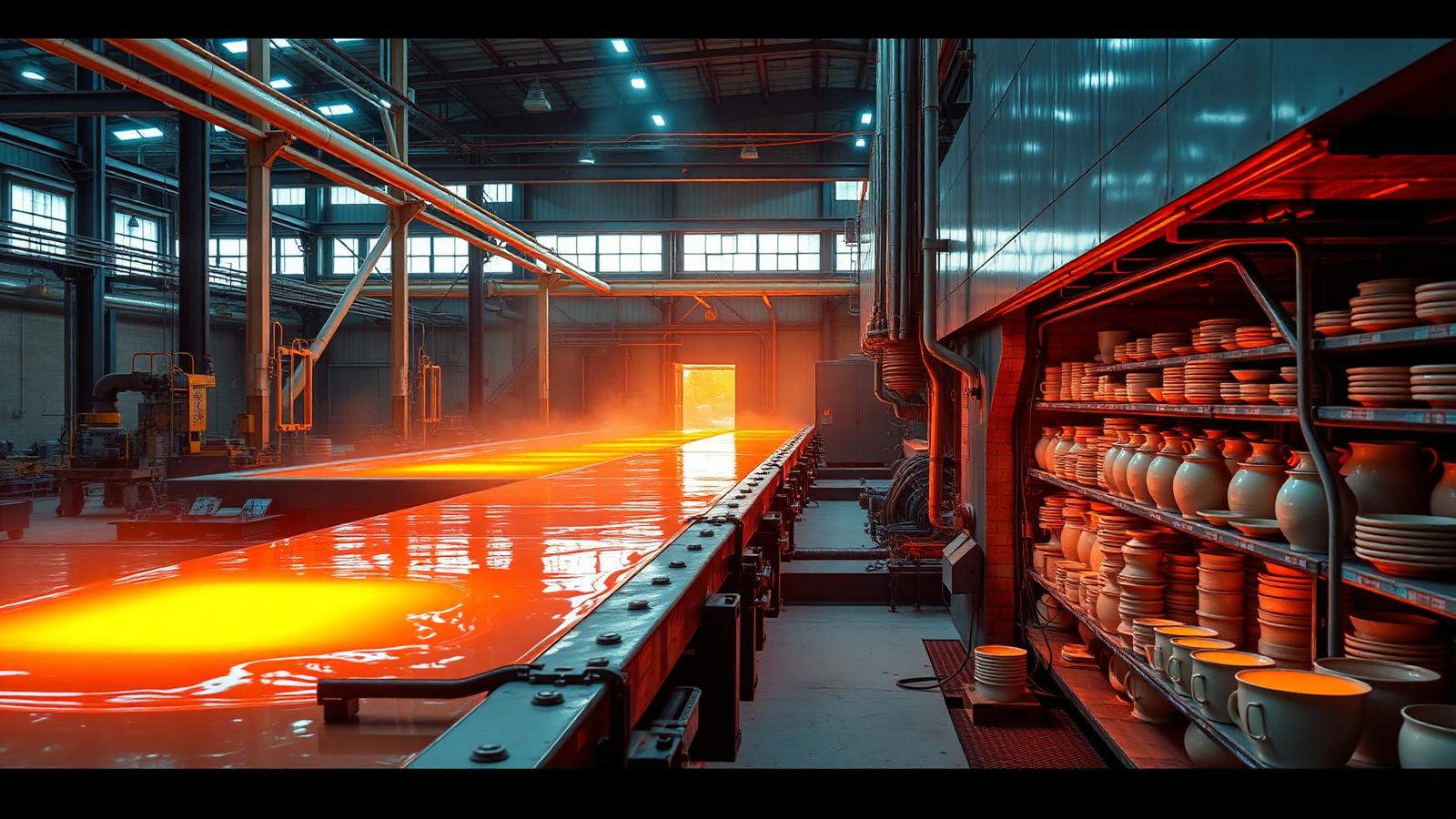
You're melting batch into float, container, or tableware glass, or firing ceramics in kilns that never cheaply turn off. Energy and raw material — sand, soda ash, limestone, feldspar — are bought in volume, and your automotive, construction, and packaging customers pay 60 days or more after shipment.
The furnace is the fixed cost that doesn't flex — when demand dips you still pay to keep the melt hot, and when it spikes you're buying batch and paying for energy while the receivables lag behind.
Asset-Based Lending (ABL) is one of the most direct ways to close that gap. Revolving lines secured by receivables, inventory, and equipment.
What glass & ceramics manufacturing shops get
- Line scales with your business
- Often more flexible than traditional bank debt
- Rates typically lower than factoring for the right profile
How it works
- 1The lender evaluates the value of your eligible collateral (AR, inventory, equipment).
- 2A borrowing base formula determines your available line.
- 3You draw and repay as needed, with monthly reporting.
Cash-flow realities we see in glass & ceramics manufacturing
- Automotive, construction, and packaging customers on net-30 to net-90 terms
- Energy-intensive kilns and furnaces that can't cheaply idle
- Bulk raw material buys — sand, soda ash, limestone, feldspar
- Demand-cycle swings against fixed furnace cost
- Equipment and facility capex for furnaces, kilns, lehrs, and forming lines
Get referred for asset-based lending (abl)
Tell us the basics. We'll confirm the fit and tell you exactly what this program requires before you fill anything long.
- ✓ No application, origination, or closing fees
- ✓ No equity given up
- ✓ US-based glass & ceramics manufacturing shops only
Other programs that fit glass & ceramics manufacturing
Invoice Factoring for Glass & Ceramics Manufacturing
Turn unpaid invoices into cash today—stop waiting on net-60 or net-90.
Explore Invoice Factoring for Glass & Ceramics ManufacturingPurchase Order Financing for Glass & Ceramics Manufacturing
Get the capital to fulfill large customer orders without straining cash flow.
Explore Purchase Order Financing for Glass & Ceramics ManufacturingEquipment Financing for Glass & Ceramics Manufacturing
Finance new or used machinery, CNC, robotics, and production lines.
Explore Equipment Financing for Glass & Ceramics ManufacturingAsset-Based Lending (ABL) for other manufacturing niches
Frequently Asked Questions
Yes — asset-based lending (abl) is one of the programs we most commonly place for glass & ceramics manufacturing shops. Established manufacturers with meaningful receivables, inventory, and/or equipment who want a flexible revolving line. Full mechanics: the Asset-Based Lending (ABL) program page. Sector overview: Glass & Ceramics Manufacturing.
It depends on the program. Factoring often funds within days of account setup; equipment and working capital usually run days to a couple of weeks; SBA and larger term loans take longer. We tell you the real timeline up front.
No. We are an independent business financing referral service and are not paid by you. Our funding partners compensate us only after a referred manufacturer actually receives their funds.
No. Every program we refer is non-dilutive. You keep 100% ownership of your shop.
Yes. Advance rates depend on your customer's credit, not your furnace size. A container plant invoicing beverage and food customers typically factors as cleanly as a float line.
The factor underwrites your receivables, not your energy bill. Factoring bridges the gap between shipment and payment; your kiln and furnace costs stay part of your operating cycle.
ABL is a revolving line you draw against; factoring is the outright sale of specific invoices. ABL usually has lower cost of capital but stricter eligibility and monthly reporting requirements.
Ready to keep production moving?
Start with a quick app or a phone call. We'll tell you exactly what the right program requires. At no charge.
Apply. Fund. Deliver. No obligation.
AI-assistedDepending on live availability, calls may be answered by Mary, our AI Assistant, who takes a message and books a callback. Or email us instead.